GreenGeeks offers sustainable WordPress hosting solutions designed for those who prioritize environmental responsibility alongside performance. Their hosting services come equipped with features that ensure speed, security, and usability, appealing to a wide range of users from bloggers to small businesses.
Key Features of GreenGeeks WordPress Hosting
Feature
Description
Eco-Friendly Hosting
Committed to sustainability, GreenGeeks uses renewable energy to power their servers, offsetting three times their energy consumption.
Performance Optimizations
Incorporates SSD storage and a CDN to enhance loading speeds, aiming for quick page loads and optimal user experiences.
Free Website Migration
Offers free migration services for users switching from other hosts, simplifying the transition process.
24/7 Expert Support
Customer support is available around the clock via live chat, phone, and ticketing, ensuring help is always accessible.
Automatic Updates
WordPress installations are automatically updated, reducing security risks and keeping sites running smoothly.
Daily Backups
Regular backups ensure that websites can be easily restored in case of data loss or issues.
Pricing Plans
GreenGeeks typically offers several pricing tiers, making it flexible for various budgets and needs:
Lite Plan: The most basic offering, ideal for smaller websites, starting at a budget-friendly rate.
Pro and Premium Plans: Higher tiers provide more resources and features designed for larger sites or those anticipating more traffic.
Performance and Speed
GreenGeeks emphasizes performance with a combination of SSD storage and built-in caching technologies. This focus on speed not only enhances the user experience but can also positively impact search engine rankings, making it a strong option for those looking to improve their visibility online.
Conclusion
Overall, GreenGeeks stands out as an environmentally conscious hosting provider without sacrificing performance or support. With a commitment to sustainability, robust features, and dedicated customer service, GreenGeeks is an excellent choice for individuals and businesses seeking reliable and eco-friendly WordPress hosting solutions. It's advisable for potential users to review customer feedback and compare their offerings with other providers to ensure the best fit for their specific needs.
While WordPress may be one of the easiest platforms to build a website on, managing a site requires a lot of work. As such, learning how to improve your WordPress site’s workflow is essential.
Not only do you need to keep producing a steady flow of high-quality, SEO-friendly content, but you also need to make sure everything is running smoothly. Thus, you need to come up with a game plan and optimize it.
Luckily, WordPress is home to thousands of plugins, and many of them can help you optimize your workflow and improve your productivity. It all comes down to finding the right strategies and tools that can help you achieve your goals.
Today, I will share several methods on how you can improve your workflow in WordPress.
What Is A Workflow in WordPress?
A WordPress workflow is an outline for creating and publishing content that describes the process step by step. It should be detailed enough so that if another writer were to use it, they could replicate the process.
If done correctly, a workflow will help maintain consistency across your content, improve search engine optimization (SEO), and plan routine updates and reviews of content in the future.
While you can find examples and templates for existing WordPress workflows, the truth is that each one is unique.
While there are many similarities amongst most content creation, the order and process can be very different. As creators may use different tools to help them and have different priorities when creating content.
As such, it is highly recommended to make your own workflow to better fit your content creation process. It may take several iterations to get perfect, but the sooner you get started, the more time you can save when it is perfected.
Methods to Improve Your WordPress Workflow
The methods here are in no particular order, as each content creator is going to have their own method. Instead, the focus is on highlighting specific methods that can help improve your workflow and tools you can use to achieve it when applicable.
1. Outline Your Content Creation Process
This may sound obvious, as it is core content of any workflow, but that just proves it is the most important step. You should start by creating a simple outline of your current content creation practice, like so:
Research Keywords
Create Title
Choose A Featured Image
Select Categories & Tags
Write Content With SEO in Mind
Review Content
Publish Content
Share Content on Social Media
Update Content After Time Passes
Once you have the basics down, you can add more details to each process. For example, consider the very first step, Research Keywords. You should add more details, including what tools to use and the criteria for a keyword to be acceptable.
Essentially, it should be a full roadmap explaining everything that you do before deciding on what keywords to use. Each process on this outline should have the same level of detail and be clear enough that anyone reading this could repeat.
Again, the goal is to ensure consistency amongst multiple authors and editors. Of course, what was mentioned above would be for a blog. If you were an eCommerce site, the workflow would be very different, but the idea is the same.
2. Utilize A Project Manager
A project manager can help you keep track of who is in charge of what task, when it will be done, and when it is time to start the next one. Luckily, there are a variety of tools you can use as a project manager.
One of the most popular options is Asana. It offers a free personal plan and has a plan for small teams that you can use for free. Asana is widely popular because it offers a simple design that makes it easy to keep track of projects.
Asana can also help staff avoid forgetting project deadlines by sending out email reminders. You can also leave comments on assignments in case any questions or points need to be further explained.
Naturally, Asana is not the only option. Another popular option is Trello. One of the key features it offers is access to visual workflow boards. Here you can bring your WordPress workflow to life and mark each step as complete.
Another fine option is Jira. It offers a free plan for up to 10 members and works similarly to Asana.
3. Improve Site Performance With Plugins
One thing many people ignore when planning out a work schedule is the amount of time they need to spend to ensure the website is running correctly. Having a website that is slow will not only harm traffic but also cause projects to take longer to create.
For this reason, you need to ensure that your website is running optimally, and thankfully, some plugins can help with this.
While there are several options to consider, WP Rocket remains one of the best choices. This caching plugin can help manage nearly all of your website’s performance issues. The core features include:
Page Caching
Lazy Loading
GZip File Compression
Database Optimization
Content Delivery Network (RocketCDN)
You may think it would take time to implement all of this, but that’s not true when using WP Rocket. Upon activating the plugin, most websites can see an 80% increase in page speed. Most of these settings only take a single click to enable.
That said, there are more customization options for more advanced users, but for the average site, this plugin will largely eliminate the need to worry about optimizing your content, as the plugin will handle everything without any input from you.
4. Use An Image Compression Plugin
Every post will need a featured image in WordPress, and images happen to be one of the biggest reasons why pages run slowly. Depending on what tools you use to create the image, the file size could be far too large.
The larger the file size, the longer it takes for that image to load.
While you can spend the time getting everything optimized in something like Photoshop, you can get the same result by just taking the image and using an image optimizer plugin. While there are many options, Smush remains one of the best options.
It is simply the easiest tool in WordPress, as it will automatically optimize any images uploaded to WordPress once it is installed. You can also optimize any image that has already been uploaded in a single click.
This can save you quite a bit of time, but it’s worth mentioning that you should still make sure your images are properly sized. When you upload a larger image than needed, the file size is also larger, thus even compression tools can’t fix it.
5. Automate SEO With Yoast
Ensuring that your content ranks highly is anything but easy. Sadly, it is one of the most complex things to do, as Google provides very little information on how your website is ranked besides Speed being a factor.
Luckily, there are a variety of plugins that can help you automate nearly every aspect of it, like Yoast SEO. This plugin provides real-time tips to help you rank higher. Some of the key features include:
Keyword Tracking
SERP Descriptions
Internal & External Link Tracking
Image Alt Text
SEO Title Analyzer
Readability Ratings
These features can shave hours of time off any project and help increase the chances that your content will rank highly. Yoast SEO is available for free, but there is also a premium version that offers deeper insights.
Normally, larger sites will have a dedicated SEO team that will perform keyword research, create SEO-friendly titles, and analyze content to ensure it uses the best practices. Yoast SEO does this for free and in far less time.
6. Have A Communication Channel For Staff
This one probably doesn’t need much explaining, but if you have multiple authors, editors, social media specialists, and maybe even an SEO team, you are going to need to communicate with everyone to manage your site.
While you could try to do everything through email or text chains, this just isn’t efficient. Instead, using a dedicated tool like Slack or Discord can help dramatically improve communication between staff.
These platforms allow for real-time communication between staff. There is a dedicated PC and Mobile app for each one.
Slack has become the go-to option for most businesses as it offers a free plan that includes one-on-one video calls and live chat. Members can freely message each other, and you can group users by teams.
Discord is similar in this approach. You can create dedicated channels for teams to communicate in and have access to voice chat at any time for meetings. Discord is completely free to use, but it is not exclusively for business.
7. Utilize A Staging Site To Test Updates
In WordPress, plugins, themes, and WordPress itself need to be updated regularly. Failure to do so can open your site up to security vulnerabilities, thus, it is always recommended to use the latest version of WordPress and any tool you use.
While you may think that automatic updates are the best course of action to make your workflow more efficient, there is a strong case to be made that the opposite is just as true. And this is because updates can sometimes break your website.
It is very common for an update to take place, and then notice that a key feature has stopped working.
Troubleshooting this process can take a lot of time, leading to extended downtime on your site in some cases. As such, a far more efficient option is to set up a staging area for your site where you can test updates safely.
Essentially, you are creating a copy of your site and installing the updates. Then you can test the website and ensure nothing is broken. If that is the case, then you can simply update your main site. You can also use this to test new plugins and custom code.
8. Streamline the Shipping Process
Making a sale is only the first half of the process. The rest is all about getting the product to the customer, or in other words, shipping. Multiple shipping plugins will help streamline the process for you and your customer.
For example, the shipping price is determined by multiple factors such as the package weight and how far it needs to travel. This can drastically alter the price, thus, many plugins today can calculate this in real time.
Thus, customers know exactly how much shipping will cost them during checkout.
While there are many shipping plugins that you can use, one of the best is WooCommerce Shipping Services by PluginHive. This plugin calculates the package weight, connects with most major delivery services (UPS, FedEx, etc.), and allows you to print labels.
Of course, you’ll also need to be on top of things outside of WordPress. Making sure that supplies are organized and easily packaged can make a huge difference in delivery times. It also helps avoid sending the wrong items to customers.
9. Have Anti-Spam Plugins Handle Comments
The comment section in WordPress is a great way for users to interact with your content, however, it also makes an easy target for spambots. Even smaller sites can receive hundreds of comments from spam bots that need to be moderated.
Normally, this could take hours to moderate manually, but by utilizing an anti-spam plugin, you can automate the process.
These plugins will be able to detect spam bots and remove the comment before you, or anyone else, ever sees it. Thus, preserving the comment section for your audience to have a conversation in.
While there are many anti-spam plugins to consider, Akismet is without a doubt the best option. And in most cases, it is installed automatically with WordPress. This plugin also protects other parts of your website from comments.
For example, if you have contact forms on your site, Akismet can help prevent spambots from submitting fake forms. Reducing the amount of spam content on your site will help reduce the total amount of time spent on moderation tasks.
10. Take Advantage of WordPress Patterns & Templates
Gutenberg introduced Patterns in the 5.5 update, and since then, entire Pattern Libraries have been created that allow users to share premade block templates with one another. Naturally, using them can help improve your workflow.
In their simplest form, Patterns are a collection of blocks grouped together. It is essentially a template you can follow.
For example, let’s say you wanted to create a posts page that shows off your latest posts. There are a variety of Patterns you can find online that already have one made. You can either use them as they are, or use them as a starting point for your own design.
In any case, they can help shave off time for any project. It’s also worth pointing out that most themes, especially premium themes, have page templates that you can use. Most of these have high quality designs that you can use to get a head start.
Naturally, you can also find pattern designs and templates online. Just make sure they come from a reliable source to avoid any headaches, as sometime s they can be unoptimized, or contain malicious content.
11. Use AI to Speed Up Production
AI is currently the biggest buzzword in any industry. It has the power to revolutionize every industry in a variety of different ways and web development is no exception. In fact, I would say it is currently theindutsry being impacted the most.
With a single prompt, AI can be used to write an entire blog, and some engines even have SEO friendly practices built in to help rank higher. That said, we are still in the early stages of AI where the quality is sometimes questionable.
That said, there is no denying that AI will have a place in web development in the future.
Aside from generative AI, it can also be utilized to perform routine tasks automatically. Once such plugin that allows you to do this is the AI Workflow Automation plugin. You can create prompts for the AI to carry out tasks based on the triggers you enter.
The plugin is compatible with most AI engines like OpenAI, xAI Grok, Google’s Gemini models, and many more. As such, you can switch between the models to see which one works best for your site.
12. Choose A Reliable Web Host
Perhaps one of the most important choices when starting a website is which web host you choose. A web host rents you a server that your website is stored on and is responsible for maintaining that server.
Naturally, web hosts have a huge impact on your website’s performance. While you have a ton of choices, due to the competitive nature of the industry, the truth is they are not created equally, thus, you need to choose a good one.
Failure to do so can result in downtime for your site. In many cases, when you encounter a problem, you may need to contact your web host, thus ensuring they have quality support staff available 24/7 is a must.
Here at GreenGeeks we strive to deliver an excellent performance to all of our customers at an affordable price.
Our web servers are optimized for WordPress and utilize SSD technology to ensure that your website is as fast as possible. We can also help you move your site from a different web host to us seamlessly.
Most importantly, we achieve all of this while being environmentally responsible. We calculate all of the energy every site uses and purchase three times that amount in clean energy to offset the emissions.
WordPress Workflow FAQ
Since content creation is different for everyone, you probably have a few questions. As such, I have assembled some of the most frequently asked questions and provided answers for them.
Can I Just Use A Workflow Template Online?
Yes, there is nothing wrong with using a workflow template as a starting point. That said, you will usually edit it to fit your needs and to include the tools you use. This will make it more efficient for your team to use.
Should I Create A Workflow If I Don’t Have A Team?
Absolutely! A workflow is just as useful in a solo environment because it helps remind you what to do and can avoid wasting time correcting mistakes. In fact, it may even be more important for solo creators, as there is no one to review their work.
Are Premium Tools Worth the Cost?
Most of the time, the answer is yes, but it depends on the tool and your needs. For example, if you have a larger team, you will usually have to pay for tools to work for everyone. Most free tools have limitations on the number of users.
How Long Does It Take To Create A Workflow?
It is different for everyone, thus I can’t give a time estimate. For example, the workflow for managing a blog is very different from the workflow of managing an eCommerce site. It’s also worth pointing out that you’ll often have to update the workflow.
How Often Should I Update My Workflow?
The workflow should be updated whenever a change is made to the process. The point of a workflow is to ensure consistency, thus, you need to make sure it is always accurate. I would recommend reviewing the workflow every six months at a minimum.
Can AI Help Me Improve My Workflow?
Yes, this is a process known as AI workflow automation. Essentially, AI is used to analyze data and complete repetitive tasks automatically to speed up project completion time. You’ll often have to pay for this, and it is better suited for larger teams.
Should I Create My Workflow Within WordPress?
It makes no difference where you create the workflow. WordPress allows you to create flowcharts with certain plugins, or you can use Microsoft Word, Google Docs, or countless other online tools to make one. Just make sure it is accessible to your team.
Create A WordPress Workflow Today
As you can see, there are several methods you can use to improve your WordPress workflow. These methods vary in difficulty, but overall, they are pretty simple to pull off. And in most cases, doing so will save you a lot of time down the road.
The goal is to help speed up content creation while also ensuring quality control and consistency across multiple authors. Luckily, there are a ton of plugins in WordPress that can help with this, like Yoast SEO, Smush, and more.
Similarly, there are plenty of tools outside of WordPress that can be used to optimize the communication between staff, like Slack, or ensure assignments are assigned properly, like in Asana. It’s all about finding the tools that fit your style.
I hope you found this tutorial helpful in improving your workflow in WordPress.
What methods do you use to improve your Workflow in WordPress? How much time has optimizing your workflow saved?
Your analytics dashboard may show hundreds of visits each day, yet your inbox stays quiet. With WordPress, boosting your lead generation capabilities is a deliberate process that’s often hidden in plain sight. Unlocking that process can turn casual readers into a pipeline of sales conversations.
WordPress offers thousands of plugins, themes, and integrations built for conversion, but most site owners settle for the default contact form and hope for the best. That gap between possibility and reality drains revenue every hour. And as a website owner, it’s your job to close the gap for your business growth.
This guide cuts through the noise and shows what actually works today, backed by data and real-world tests. You will discover how to align design, content, and technology so every page serves one purpose: capturing qualified interest.
Give this guide a few minutes, and we’ll arm you with tactics you can launch today without even having to code. The traffic you already have is valuable; this article will make sure you never waste it again.
Set Clear Objectives Before You Build
Setting goals is the part most site owners skip, yet it decides whether your lead generation initiatives in your WordPress website will be successful or not. Clear objectives transform every plugin, form, and pop-up into actionable data.
Define Your Lead
When you plan your lead generation initiatives in WordPress, start by naming the single action that shows real buying intent. A lead for a digital agency is often a booked call because a live chat proves the client is serious. For a SaaS app, a free-trial sign-up works better because it places the product in the user’s hands.
E-commerce stores have different signals. A shopper who types an email during checkout—even if the cart is abandoned—has shown intent to buy. Service businesses sometimes treat a simple contact-form submission or a tap-to-call button as the lead because that direct touch usually leads to a quote.
Pick just one of these actions as your primary lead and label every other action as secondary. This hierarchy keeps reports easy to read and prevents your team from chasing numbers that do not move revenue. With one clear target, every future tweak—new pop-up, faster page, stronger copy—focuses on the metric that matters most.
Set your lead hierarchy step by step:
List every action on your site that signals interest: calls, trials, emails, demos.
Choose the one that most often turns into cash and mark it primary.
Tag all other actions as secondary in Google Analytics or MonsterInsights.
Review primary vs. secondary numbers weekly so you can track growth that truly counts.
Map the Funnel and Tag Key Events
Start with Google Analytics 4 because it now uses conversion events instead of the old “goals.” Open GA4, go to Explore → Funnel Exploration, and drop in each step a visitor takes—page view, product page, form start, form submit. This chart shows how many people leave at every stage, so you can spot the weak links right away.
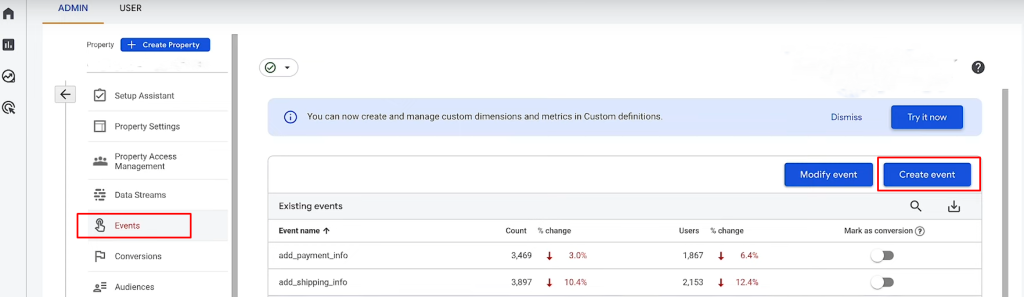
Next, tell GA4 what success looks like. In Admin → Events, click Create Event, name it something like lead_submit, and point it to a clear trigger—often the thank-you page URL. Flip the Mark as conversion switch, and GA4 will count every hit as a win for your lead generation WordPress setup.
If you use MonsterInsights, the process is even easier. Install the plugin, connect it to GA4 with the on-screen wizard, and it will auto-detect WordPress form submissions. That means real-time opt-in numbers appear in your WordPress dashboard—no code, no copy-paste of tags.
With events firing and the funnel visual in place, every drop-off is now visible. You can fix a slow page, shorten a form, or tweak copy and instantly see the results in real time.
Record Baselines in a Free CRM
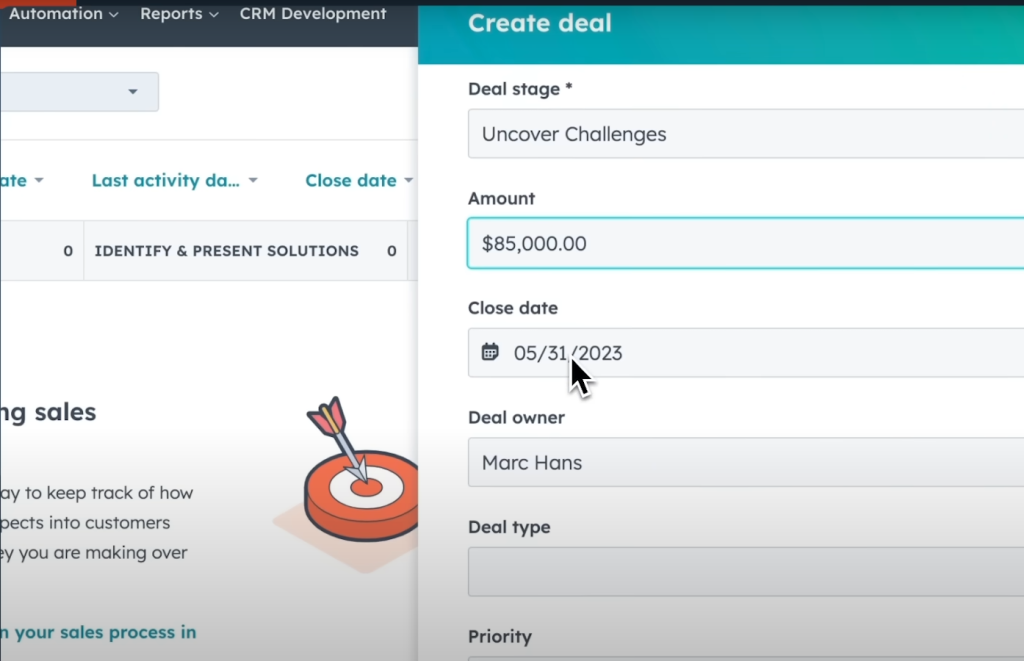
Google Analytics shows what visitors do on your site, but it stops once they leave the page. A customer-relationship manager (CRM) keeps tracking the person after the click: emails sent, calls booked, and deals closed. Using HubSpot’s free CRM, you can create simple dashboards that pull this data together, so everyone sees one set of numbers, not scattered spreadsheets.
Set up the CRM the same day you launch your lead form. Each new contact should land with a time stamp and an assigned “deal stage” like new lead, qualified, or won. That single record then grows every time someone on your team emails, calls, or sends a proposal, giving you a timeline of the entire journey.
Log four core metrics right away and review them weekly:
Leads created per week show whether traffic is converting.
The conversion rate from lead to qualified deal reveals lead quality.
The average time in each funnel stage shows slow hand-offs.
Revenue per lead measures real value.
These baselines are your control numbers. Any change you make, like a new pop-up, faster page, or sharper headline, should improve at least one metric. If it doesn’t, roll back and test another idea.
Lay a Solid Site Foundation
The lead generation tactics you implement on your WordPress site only work when visitors stick around long enough to act. Speed, stability, and security give them that reason in the first seconds. Nail these basics first, and every opt-in form that follows starts on solid ground.
Choose Fast, Reliable Hosting
Load time is the first conversion gate. If pages hesitate, visitors bounce before they see your forms, and every other lead generation tactic for your WordPress site falls flat. GreenGeeks gives you the speed and uptime that keep those prospects on the page.
Recent third-party tests clocked GreenGeeks at a 527 ms average load time and 119 ms server response—well under Google’s one-second benchmark for good UX. Independent monitors also recorded 99.99% uptime across several months, meaning fewer than nine minutes of downtime per month. GTmetrix graded a sample GreenGeeks site 99% for performance, confirming that the platform handles both static pages and dynamic WordPress queries without lag.
Those numbers matter. A sub-second response trims bounce rates and lifts form-completion odds, while near-perfect uptime ensures your landing pages collect leads day and night. Add GreenGeeks’ one-click WordPress installer and free SSL, and you have a hosting stack that maximizes trust before you even place the first call-to-action.
Build a Speed Stack
Fast pages keep visitors in the funnel, so any lead generation strategy you run on WordPress benefits from a lean, well-tuned performance stack. Two moves, caching and image compression, handle most of the heavy lifting.
Turn on full-page caching with WP Rocket
Caching stores a ready-made HTML copy of each page, so the server skips database queries and sends content straight to the browser. WP Rocket applies roughly 80% of web-performance best practices the moment you activate it, with no extra setup. By cutting server work, caching slashes response time—a well-known tactic Google itself recommends for lower Time to First Byte.
Shrink every image before the first view
Images often make up half a page’s weight, so compressing them is the quickest win after caching.
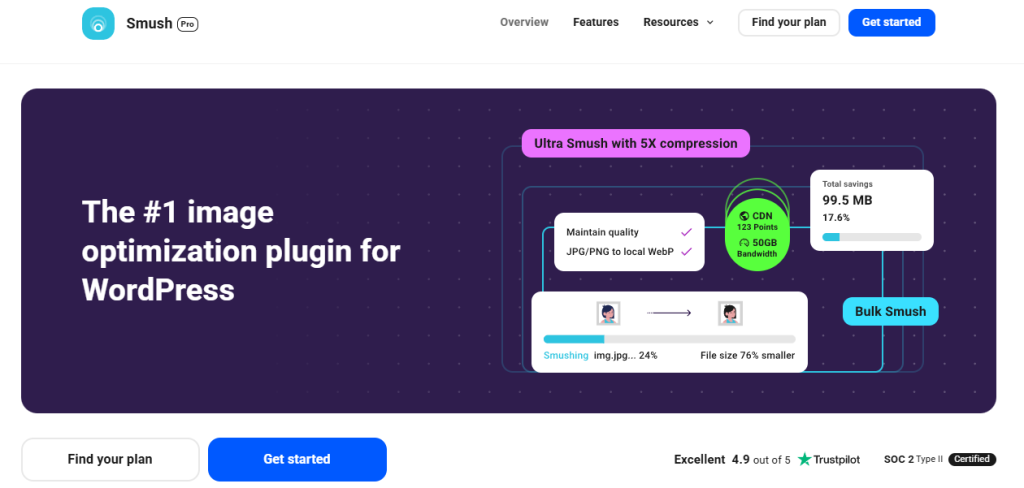
Smush reduces file size by up to 5x while keeping quality intact; that’s why GTmetrix lists it as a top fix for bloated media.
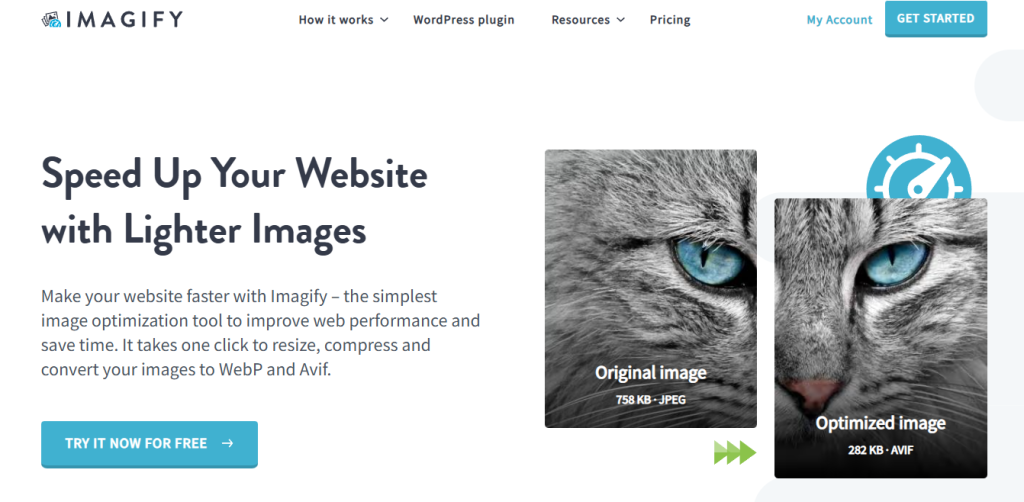
Imagify goes further, converting files to modern WebP or AVIF and showing before-and-after stats.
Both plugins run automatically on upload, so you never forget to optimize a new hero image or blog graphic.
When caching and compression work together, the gains multiply. Faster loads mean lower bounce rates, more form views, and more completed opt-ins.
Craft Irresistible Lead Magnets
Well-built lead magnets let strangers trade an email address for instant value. Combine these assets with WordPress tools built for lead generation, and you’ll move visitors from first click to qualified prospect in record time. Below are three magnet styles that work together without feeling like copy-and-paste freebies.
Visual assets people can keep
Design a checklist or template in Canva or Visme, export it as a PDF, then gate it with the free Beacon plugin. Beacon pulls your blog posts into polished e-books and reports, so you can recycle finished content instead of starting from scratch. Because the plugin stores everything inside WordPress, updates take minutes, and old URLs never break. This is handy when external sites have already linked to your magnet.
Interactive calculators and self-assessments
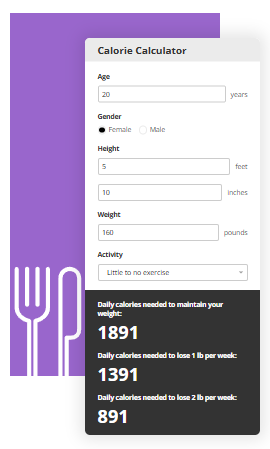
Static PDFs are useful, but interactivity can give you way better engagement. Calconic’s drag-and-drop builder lets you add price quotes, ROI calculators, or savings estimates without code.
If you prefer everything in one plugin, Formidable Forms lets you build quizzes and calculators inside the same tool you use for contact forms; over 400,000 active installs prove its reliability.
Why it works:
Visitors type their own numbers, so results feel personalized.
Each submission lands in your WordPress dashboard, ready for follow-up emails or calls.
You can A/B-test questions in Formidable to see which variation sparks more completions.
Mini-courses that tease deeper learning
When your product is knowledge, such as consulting, coaching, or software training, a short online course can beat a static PDF because prospects experience your teaching style instead of just reading about it. Tools like LearnDash and TutorLMS turn WordPress into a lightweight learning platform, so you can deliver video or slide lessons to your audience.
LearnDash markets mini-courses as true lead magnets. You publish two or three lessons, mark them free, and gate the rest behind an email form. The plugin then drip-releases lessons on a schedule, keeping learners coming back and building trust along the way.
TutorLMS offers a similar flow with a free lesson preview. Visitors watch one sample module; if they like it, they enter their email to unlock the full mini-course. Both plugins send progress emails automatically, using the same habit-forming tactics SaaS products use during onboarding.
Simple launch workflow:
Record one or two focused video lessons—five to ten minutes each.
Upload the content to LearnDash or TutorLMS and set the final lesson as “enrollment required.”
Gate that enrollment with an email form, turning viewers into leads.
Trigger an automated action at course completion. Both plugins can ping your CRM, so graduates flow straight into a nurture sequence or sales call.
The result: prospects sample real value, feel momentum as lessons unlock, and enter your sales pipeline while motivation is high.
Create Friction-Free Conversion Paths
Fast clicks lose value if the path to your form feels clunky. Tightening each touchpoint turns lead generation efforts on WordPress into a smooth glide rather than an uphill push. Below are three conversion paths that connect without friction, so visitors stay focused on saying yes instead of hunting for the next step.
Instant-build forms keep momentum
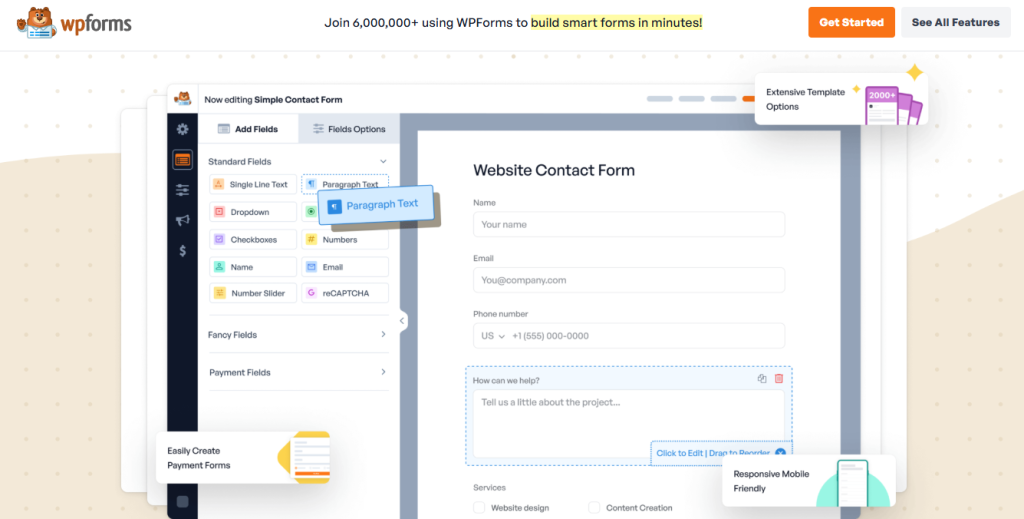
Drag-and-drop builders remove the usual setup friction. Instead of pasting HTML, you arrange fields visually and publish in minutes, which is critical because every extra second before a form goes live delays data collection.
WPForms illustrates the speed advantage. The plugin runs on 6 million-plus sites and offers 2,000-plus templates, so you can launch anything from a two-field email grab to a file-upload job quote in just a few clicks.
When your workflow demands conditional logic, user uploads, or integrations with CRMs, Gravity Forms scales up. It now powers more than 5 million websites and recently added deep Gutenberg and Elementor blocks, making complex data flows feel as simple as a contact form.
Need fast and lightweight? Ninja Forms installs straight from the WordPress repo, activates in under a minute, and provides granular privacy settings. It can be configured to meet HIPAA and other compliance standards by disabling server-side storage or auto-expiring submissions—handy if you handle medical or financial data.
Once the form is built, placement and simplicity finish the job:
Embed above the fold. Eye-tracking and conversion studies show that elements positioned just above the fold gain up to 73% more viewability than those just below it.
Trim optional fields. Every unnecessary input adds friction; shorter forms convert higher across all industries.
Enable browser autofill. Modern browsers pre-populate name, email, and phone fields, so users can hit the Submit button almost instantly.
A form that appears early, asks only for essentials, and lets the browser handle typing turns curiosity into a captured lead before hesitation sets in. This is a foundational move for any lead generation workflow built on WordPress.
Dynamic prompts pull drifting visitors back
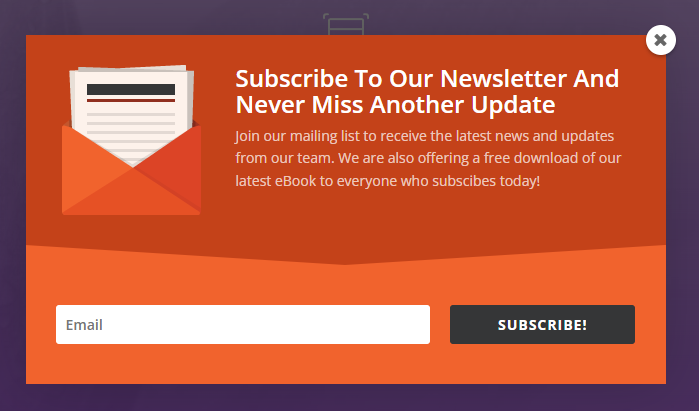
Even the best form misses people who scroll past. Smart overlays catch them. OptinMonster uses two-step MonsterLinks and exit-intent rules; its own research shows two-step CTAs boosting conversions by up to 785%.
Prefer a native-theme popup? Bloom (for Divi) and Thrive Leads (for Gutenberg or Elementor) match site styles while testing headlines automatically.
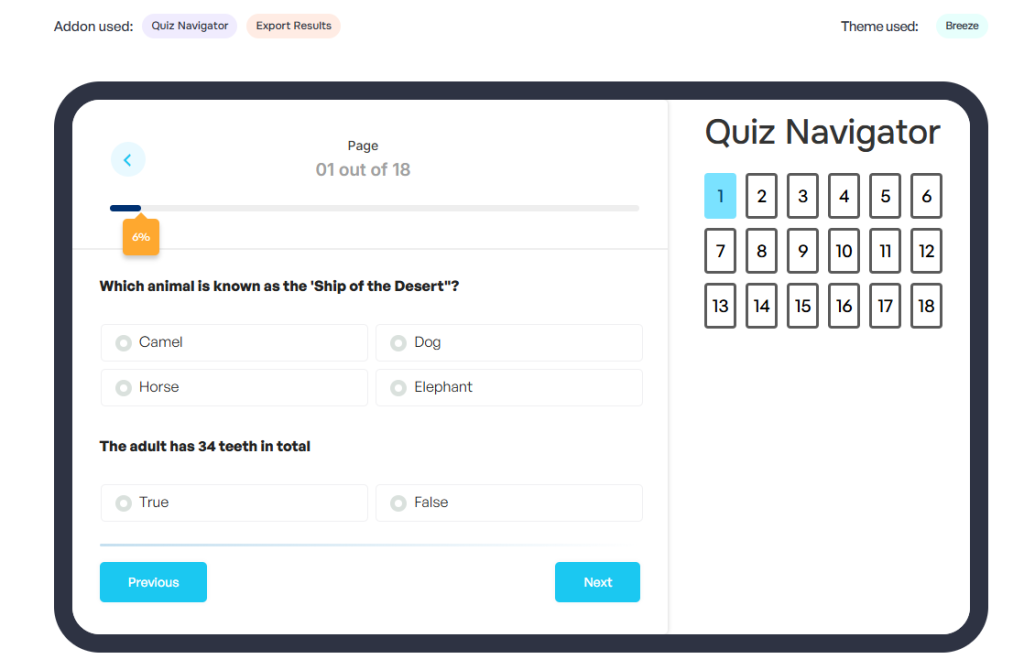
Add a playful twist with gamified calls-to-action: RafflePress turns giveaways into viral loops, and Wheel of Popups lets users spin for discounts. For deeper engagement, drop an interactive quiz built with Quiz and Survey Master; the plugin stores every answer, giving you zero-party data you can segment right inside WordPress.
Together, popups, games, and quizzes keep attention alive without stealing focus from the main offer.
Live chat turns hesitation into dialogue
Some prospects need human reassurance before they type an email. Adding real-time chat removes that last barrier. Tawk.to is free forever and claims more than 4 million companies on its books, making it one of the most-installed live-chat widgets.
If you want AI hand-offs, Tidio predicts questions and feeds answers automatically. For brands needing robust agent routing, LiveChat integrates with 200+ apps. Route your form IDs into chat transcripts, and agents can nudge hesitant visitors to finish the same opt-in they abandoned seconds earlier.
Build Targeted Landing Pages & Content Hubs
Targeted landing pages turn raw traffic into action. When you build them inside WordPress, you can tie every headline, image, and form field directly to your funnel metrics. That tight link is why marketers who focus on lead-generation goals within WordPress see higher conversion boosts than those who rely only on generic site pages. The three steps below show how to ship pages fast, keep them on-brand, and back each promise with proof and timely prompts.
Choose a conversion-focused page builder
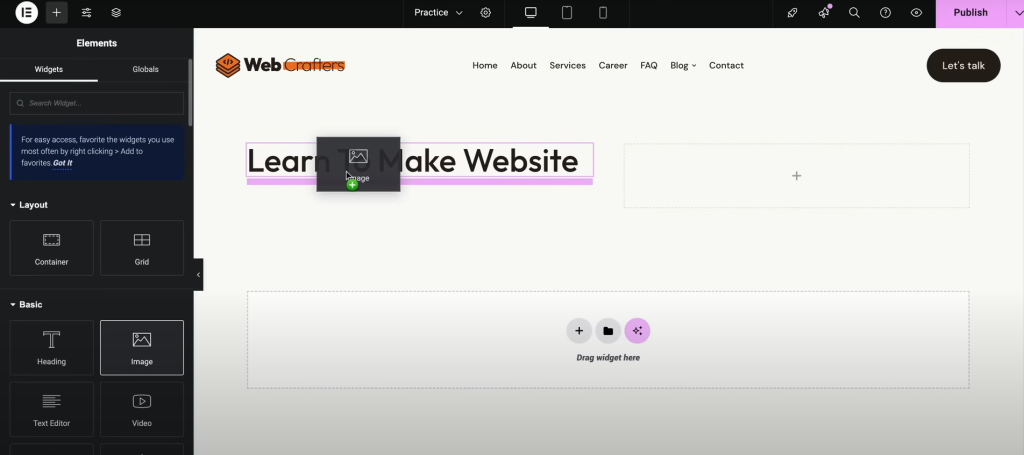
Elementor Pro – speed plus built-in conversion tools
Elementor’s live drag-and-drop interface means you see the page exactly as the visitor will. You can drop a Form widget, switch on reCAPTCHA, and link the submissions straight to Mailchimp or HubSpot—no extra plugins.
Because you control spacing, colours, and dynamic content blocks in one pane, you can A/B-test headlines or button copy in minutes. Faster edits translate into quicker test cycles, which is the heart of any lead generation WordPress workflow.
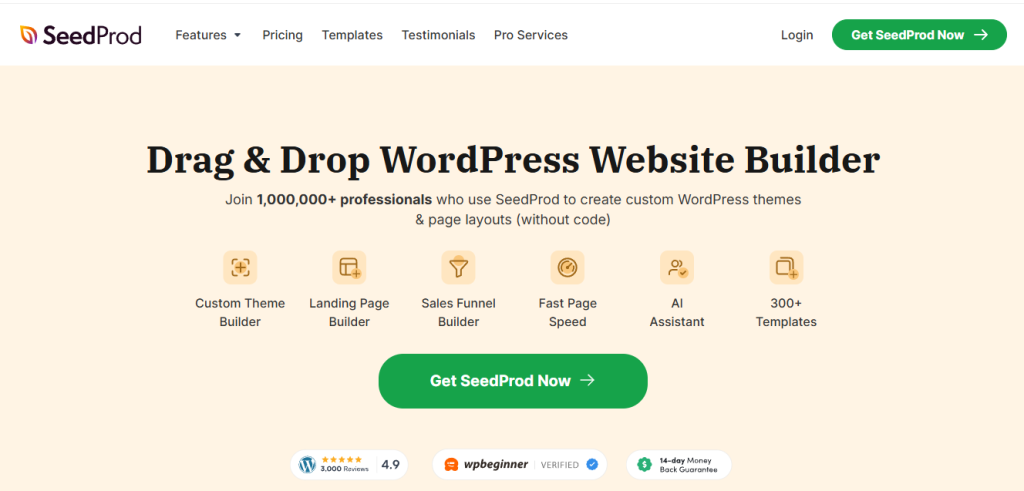
SeedProd – landing pages and WooCommerce sections in one place
SeedProd began as a “coming soon” plugin but now ships a full theme builder with WooCommerce blocks for product, cart, and checkout pages. That matters when your funnel moves from a lead magnet to a paid offer; you keep design consistency and analytics tags without jumping between plugins.
SeedProd also embeds WPForms natively, letting you place a two-field opt-in next to a headline in the same drag-and-drop pass. One dashboard controls colours, fonts, and subscriber storage, so marketers own the whole path from click to customer.
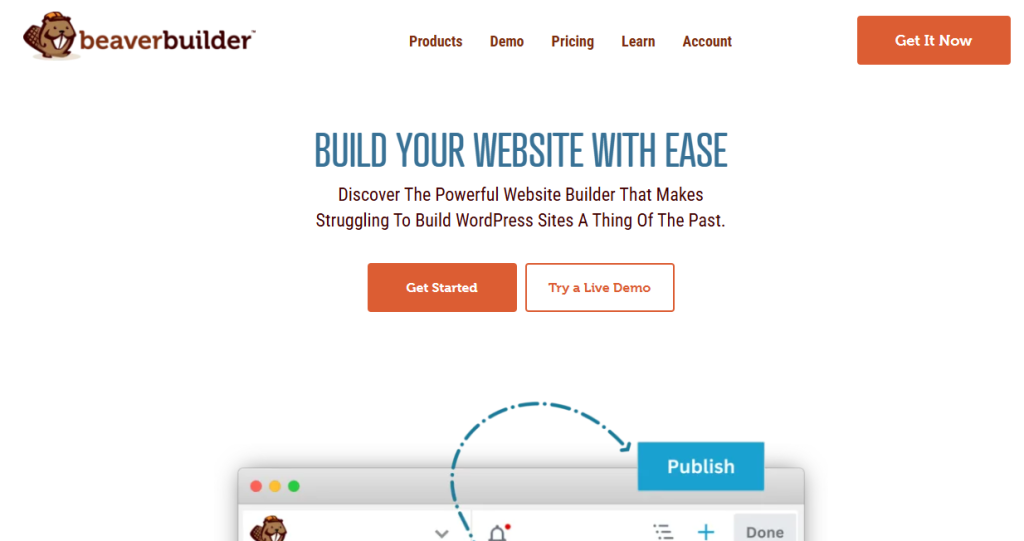
Beaver Builder – agency-friendly and Gutenberg-ready
Beaver Builder focuses on clean code and lets teams mix its visual builder with native Gutenberg blocks. Agencies hand off sites to clients, knowing that the layout won’t break if someone edits text inside the Block Editor. That stability keeps landing pages live and loading fast, crucial when paid ads point to them.
Beaver’s template system also lets you clone a proven layout, swap brand colours, and connect the built-in Subscribe module to any CRM via a simple HTML form action. Less developer time on fixes means more cycles spent refining copy, offers, and analytics—activities that push lead numbers up.
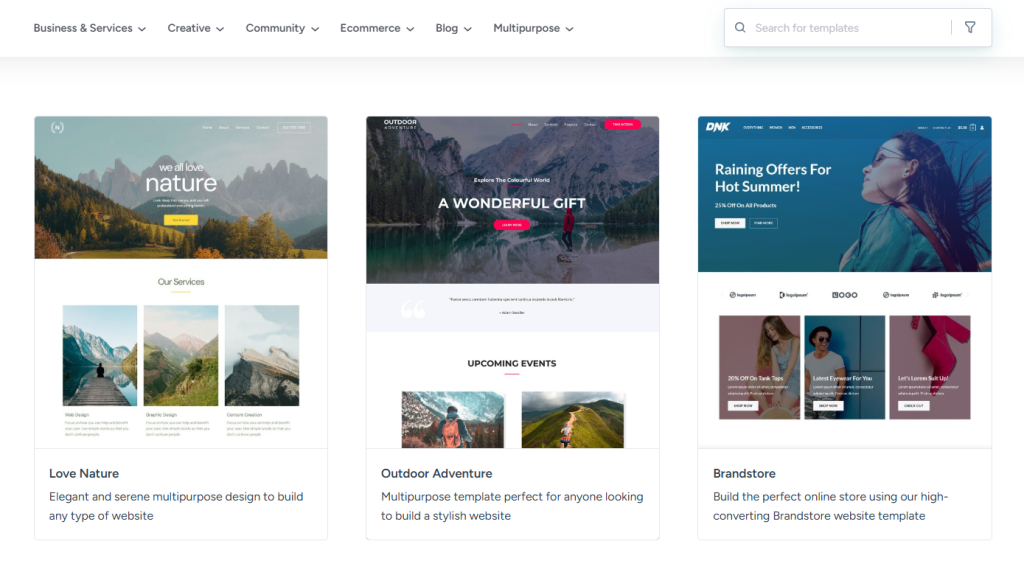
Use ready-made templates to accelerate lead capture
Ready-made landing-page templates give you a head start on both design and conversion science. Drag-and-drop templates let marketers publish professional pages in a matter of hours, often 10 times faster than coding from scratch. That speed means your ad traffic hits a tailored page the same day the campaign launches, so leads start flowing instead of waiting for dev resources.
Templates also ship with proven conversion elements included. Libraries come pre-wired with clear value propositions, bold call-to-action buttons, minimal distractions, and built-in social-proof blocks. Because these parts are already optimized for spacing and hierarchy, you focus on messaging rather than layout tweaks.
Finally, templates make testing cheap. You can duplicate a layout, change one headline or hero image, and run an A/B split within minutes. Shorter test cycles mean you learn what converts sooner and compound small gains into big lifts over time.
Add proof and rescue exit traffic
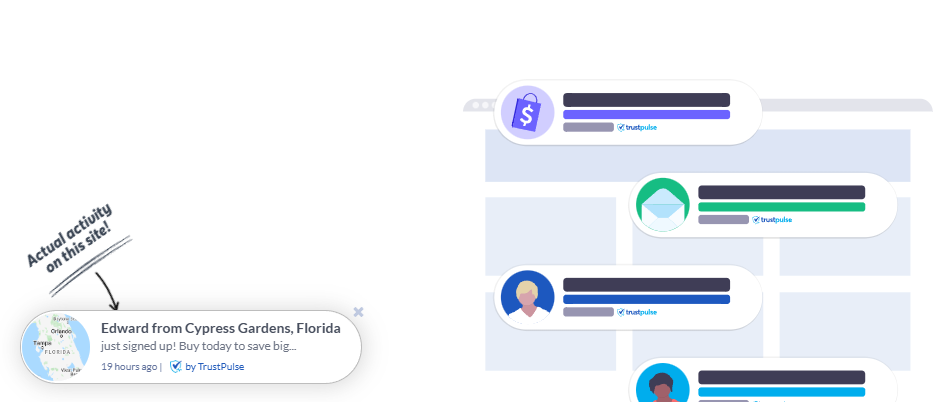
Apps like TrustPulse watch real activity on your site—purchases, demo bookings, sign-ups—and flash a small notice such as “Emily just booked a demo.” The pop-up uses peer validation to trigger FOMO, and this can increase your sales by up to 15%.
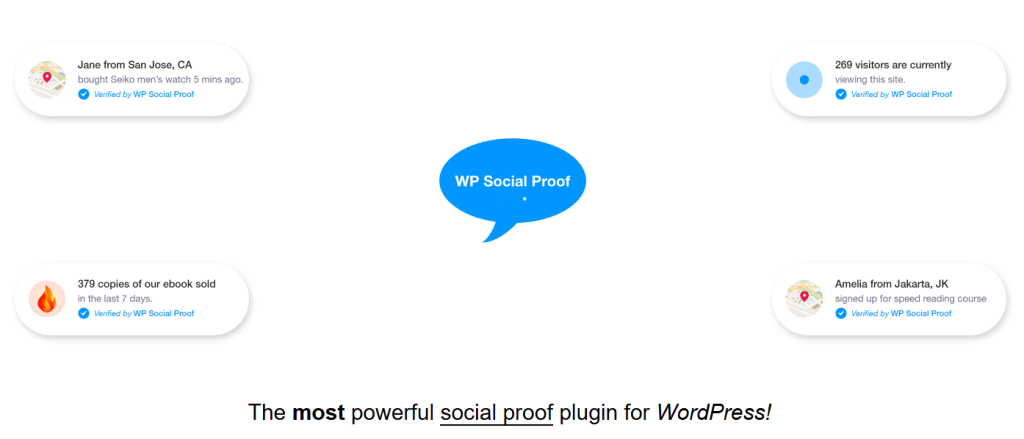
If you run WooCommerce and want a lighter footprint, WP Social Proof pulls the same real-time order data straight from your product database and shows it in a corner badge. Either way, visitors see proof that others are acting right now, which makes them more comfortable dropping their own email or card details.
On the other hand, many users still hover toward the tab bar or reach for the back button. Exit-intent technology tracks that motion (or, on mobile, a quick back-scroll) and launches a last-chance offer: a coupon, a checklist, or an ebook.
Drive Qualified Traffic to Your Offers
Qualified visitors keep your funnel full and your forms busy. Driving that traffic is a mix of search visibility, steady promotion, and rock-solid tracking. The tools below will help you with lead generation and drive qualified traffic to your WordPress site.
Earn durable clicks with on-page SEO plugins
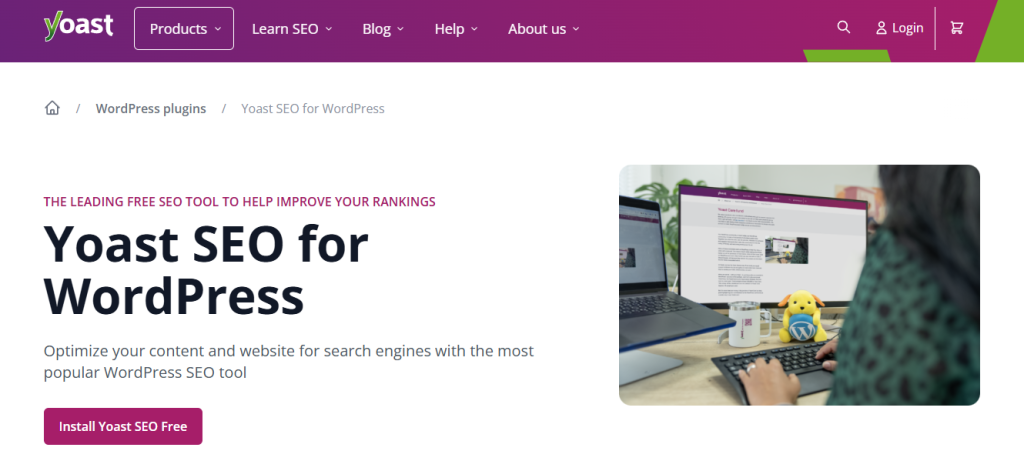
Yoast SEO and Rank Math make your pages easier for Google to find, read, and rank—and that extra visibility feeds your lead funnel. When you hit Save Draft, Yoast runs a real-time audit: it flags missing focus keywords, thin meta descriptions, and hard-to-read sentences, then gives one-click fixes so the post ships search-ready. Clear snippets and readable copy lift click-through rates, which means more people land on your offer page instead of a competitor’s.
Rank Math adds deeper tech without slowing the site. The free version auto-builds XML sitemaps, injects rich results schema, suggests internal links, and even monitors 404 errors. Because the plugin is coded to stay lightweight, those extras don’t hurt load time, and faster pages keep visitors engaged long enough to fill out your form.
More ranked pages plus faster, richer previews equal a steady stream of organic visitors. Those searchers already typed a problem your product solves, so they arrive pre-qualified, making every opt-in box in your WordPress lead generation efforts work harder without extra ad spend.
Push content where buyers hang out
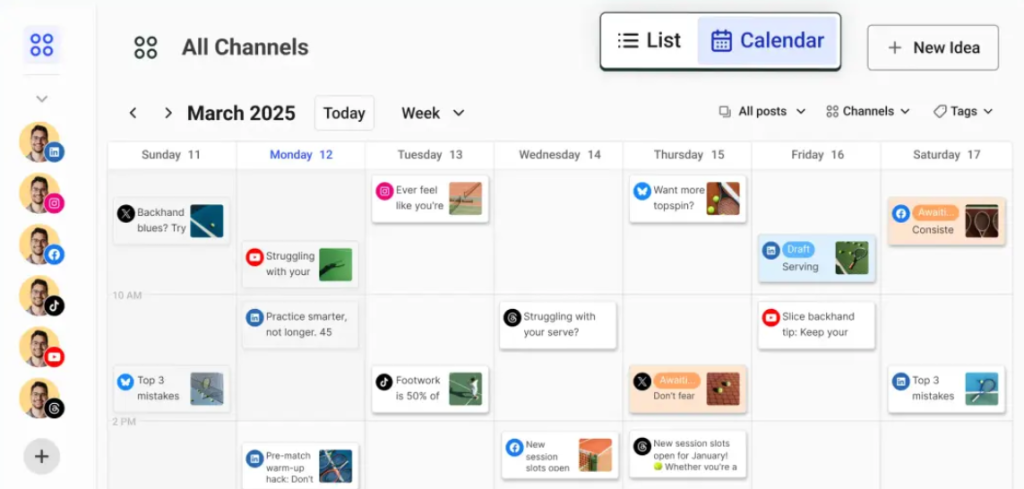
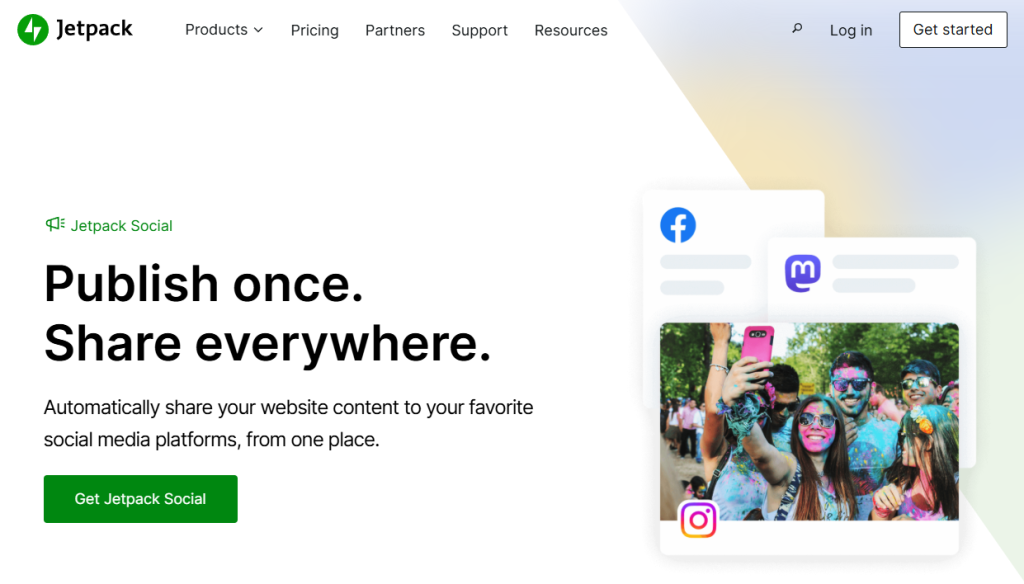
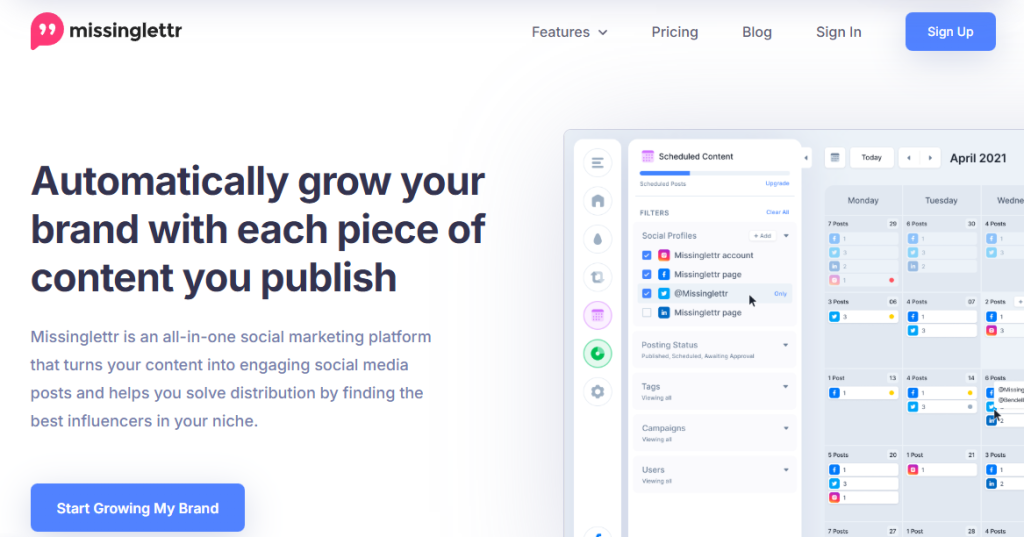
Publishing a blog post is only step one. To fuel your lead generation efforts on WordPress, you have to place that post, again and again, in front of the people most likely to click a CTA or share their email. Buffer, Jetpack Social, and Missinglettr automate that distribution so you capture attention even while you sleep.
Buffer keeps your feed active at the right hours.
From one dashboard, you queue content for LinkedIn, X, Facebook, and more, then Buffer releases each update at preset best-time slots. Case studies show publishers doubling followers and driving more weekly traffic from Buffer than from several minor channels combined. Consistent, well-timed posts mean a steady stream of visitors landing on your WordPress articles and lead magnets instead of a single spike on launch day.
Jetpack Social turns every new post into a multi-channel blast
Flip one switch and WordPress auto-shares fresh content the moment it goes live; over one million posts are pushed daily through the plugin. That “write once, publish everywhere” flow reaches audiences who live on social but rarely check RSS or email, adding incremental traffic with zero extra clicks from your team.
Missinglettr keeps older pieces in circulation with year-long drip campaigns
Paste a URL and the platform builds a 12-month schedule of quote cards, hashtags, and captions, then recycles that content automatically. Missinglettr credits these sequences with insane inbound traffic and engagement, a claim backed by user testimonials across its site. Built-in analytics refine send times, so each recycled post hits when your audience is most responsive.
Why does this matter for lead capture?
Reach – automated shares expose every article, checklist, or webinar invite to new readers daily, not just on publish day.
Consistency – regular posting builds brand familiarity, warming prospects before they ever hit your landing page.
Efficiency – scheduling and drip features free hours you can reinvest in crafting better offers or nurturing the leads these tools deliver.
Traceability – each platform supports UTM parameters, so traffic from every scheduled post shows up in Google Analytics and your CRM.
Track and refine paid traffic with precision
Paid ads can flood your site with clicks, but only the clicks you can track will turn into revenue-bearing leads. PixelYourSite closes that gap by wiring every major analytics and ad tag into WordPress in minutes—no code edits, no extra plugins. The tool drops Meta Pixel, Google Analytics 4, and Google Ads tags across the entire site, so each visitor action is logged the moment it happens. This gives your lead generation workflow in WordPress a single, reliable source of truth.
Browser blockers and iOS privacy prompts often hide as much as a third of your ad traffic. PixelYourSite bypasses that blind spot with built-in Conversion API support, sending the same lead event from your server straight to Meta. Users who switched on server-side mode report higher Event Match Quality (EMQ) scores and a visible jump in reported conversions, which lets Meta’s algorithm optimise delivery more accurately.
Accurate numbers depend on more than page views, so PixelYourSite listens for deeper signals. Its Automated Events feature fires when someone clicks a button, submits a form, or even watches a video, then passes that data simultaneously to Meta, Google, and other pixels. You can also map custom triggers—say, a Formidable Forms submission—so every platform records the exact moment a prospect turns into a lead.
With clean data flowing, you can:
Kill losing ads fast—stop spending that never fire a Lead event.
Scale winners with confidence—raise budgets on the ad groups that prove ROI.
Retarget bouncers—build custom audiences of visitors who clicked but didn’t finish the form, then show them follow-up ads that address their last objection.
Automate Follow-Up & Segmentation
Automation keeps leads warm while you sleep, and WordPress gives you a toolbox to make it happen without touching code.
Automate email and slice your list into buying segments
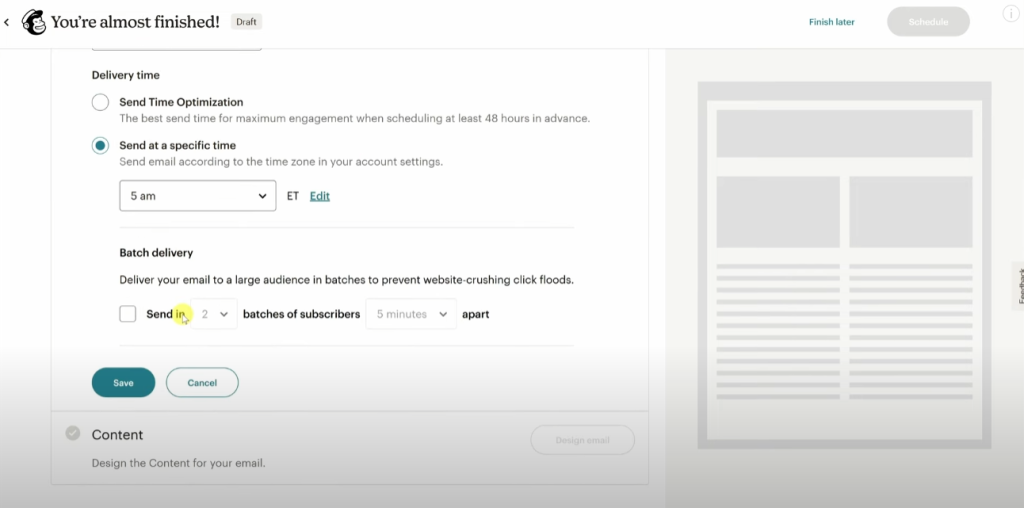
Mailchimp’s prebuilt journeys let you send welcome notes, product tips, or win-back offers the moment a tag or list entry fires; its industry benchmark report shows automated emails outperform bulk campaigns across every sector, thanks to higher open and click rates.
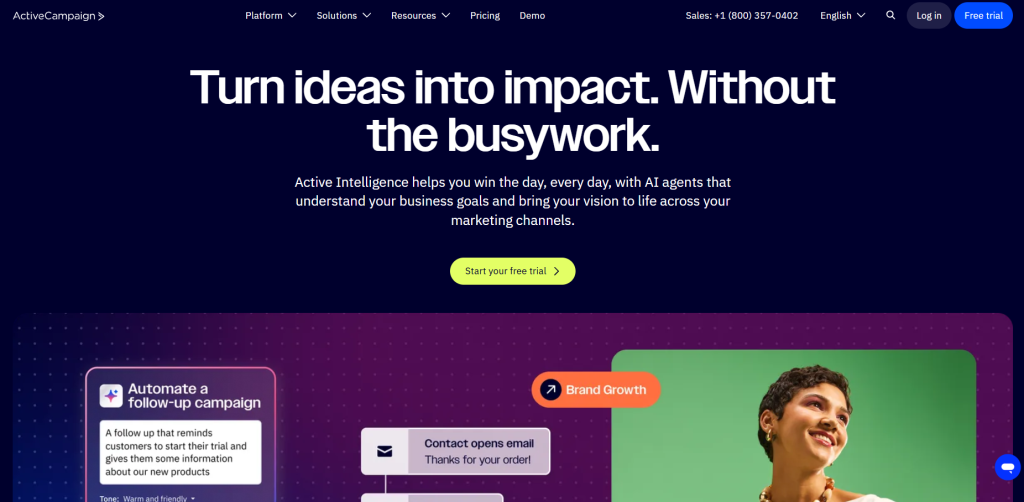
ActiveCampaign takes automation further with dynamic segmentation—contacts automatically move between “interest” and “ready to buy” buckets as they click links or visit pages.
ConvertKit, now known as Kit, adds creator-friendly tagging (course buyer, ebook reader) so solo marketers can personalise with the same precision. When each email speaks to a specific need, leads feel seen and keep engaging, and this is critical for long sales cycles inside any lead generation WordPress funnel.
Glue everything together with event-driven workflows
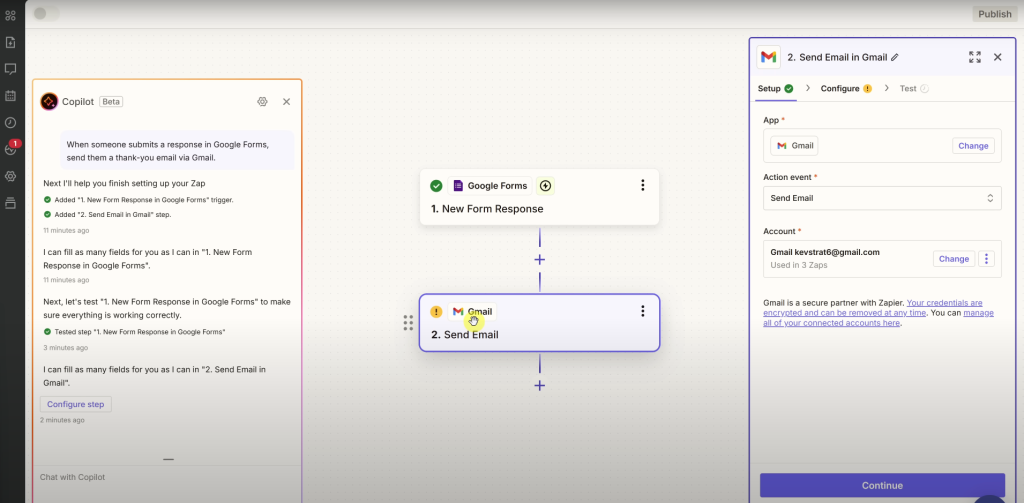
Great emails need accurate triggers. Zapier listens for over 7,000 app events and saves 59% of users at least several hours each week, according to its marketing-automation report. A single Zap can push a new WordPress form submission into Mailchimp, tag the contact as a potential lead, and ping Slack so sales know to reach out.
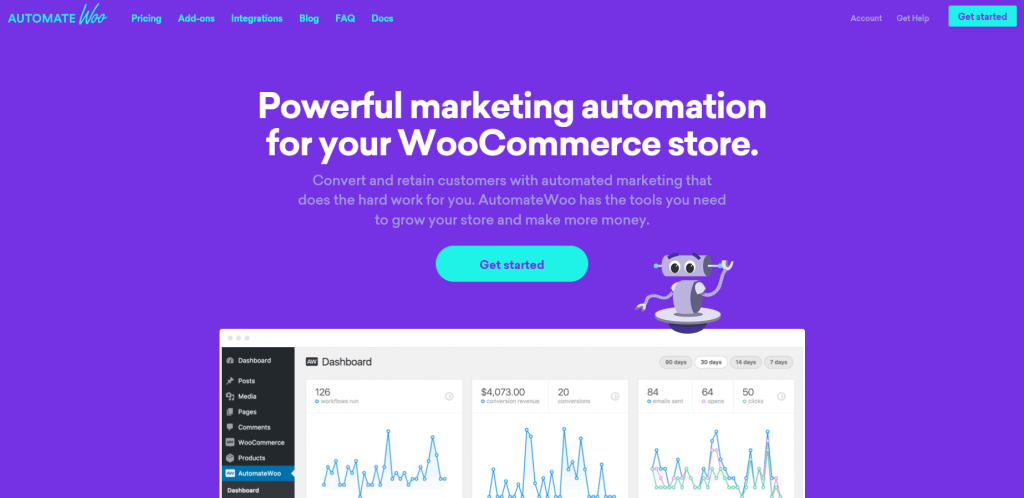
If you run WooCommerce, AutomateWoo handles on-site events natively: when a cart sits idle for 15 minutes, it flips to “abandoned,” fires a coupon email, and has been shown to recover a significant amount of lost orders in typical stores. These “if-this-then-that” chains work quietly in the background and turn one action into many without manual effort.
Educate live and keep data flowing into a central CRM
Webinars convert because they mix teaching with real-time Q&A. WebinarPress lets you host live sessions or automated replays straight inside WordPress, capturing registrant emails as soon as they sign up.
The moment a viewer registers, HubSpot’s WordPress plugin can pull the contact into a unified database, attach engagement scores, and trigger follow-up tasks for sales.
These layers feed one another: segmented emails spark clicks; Zapier or AutomateWoo convert clicks into tagged events; webinars deepen trust; the CRM tracks every step and tells you who is ready to buy. Together, they form an integrated system where no lead slips through, and every message lands at the moment it matters most, all powered by the flexibility of WordPress.
FAQs About Lead Generation in WordPress
What’s the quickest way to add a lead generation form in WordPress?
Install a drag-and-drop plugin such as WPForms or Gravity Forms, choose a template, and embed it above the fold; setup takes under ten minutes.
Which free SEO tool helps my pages rank for lead keywords?
Rank Math’s free version covers titles, meta descriptions, and schema markup, giving you most on-page essentials without cost.
How do I display social proof without slowing the site?
Lightweight widgets like TrustPulse stream real-time activity bars and add less than 40 KB, so load times stay fast while trust rises.
Can I automate emails directly from WordPress?
Yes—connect Mailchimp, ActiveCampaign, or ConvertKit via their native plugins and trigger welcome sequences the moment a form is submitted.
What’s the best way to track paid-ad conversions in WordPress?
Use PixelYourSite to fire Meta Pixel, Google Ads, and GA4 events; it requires no code and supports server-side tracking for higher accuracy.
Is there a simple method to run quizzes for lead generation in WordPress?
Quiz and Survey Master lets you build interactive quizzes inside the editor and email results to users while storing answers for segmentation.
What’s a good load-time target for lead pages?
Aim for under two seconds on mobile; combine quality hosting, caching (WP Rocket), and image compression (Smush or Imagify) to hit the mark.
It’s Time to Launch Your Lead Generation Engine in WordPress
Implementing lead generation in WordPress requires a habit of shipping, measuring, and refining. The moment you treat every visitor as data, each small tweak—new headline, faster load, sharper segment—becomes a lever you can pull again tomorrow. That mindset turns quiet blogs into deal pipelines and routine email blasts into predictable revenue.
To start, just pick one lead metric today and watch it like a hawk. Maybe it is booked calls, free-trial sign-ups, or webinar seats filled. Build a single page that serves that metric, push real traffic, and refuse to tinker with anything else until the number moves.
When the first boost appears, add automation to keep leads warm while you sleep. Tag actions, drip value, and let clean data decide where budget and time go next. In three months, you will see a graph that climbs in smooth steps, not jagged peaks. In a year, you will wonder why you ever settled for anything less.
Your traffic is talking; WordPress now gives you the tools to listen and to turn those whispers into sales conversations.